
Digitisation
Programme
Access Meets Opportunity
Technology is no longer just a tool — it's the infrastructure of our lives. From how we learn and work to how we connect and care, the digital world is reshaping every aspect of human development. For communities in low-income or underserved areas, the right kind of digitisation offers not just access but empowerment. It can close education gaps, unlock jobs, and build resilience.
In South Africa, where digital inequality is still a major barrier, driving inclusive digital transformation is one of the most powerful ways to promote youth empowerment, sustainable development, and long-term economic growth.
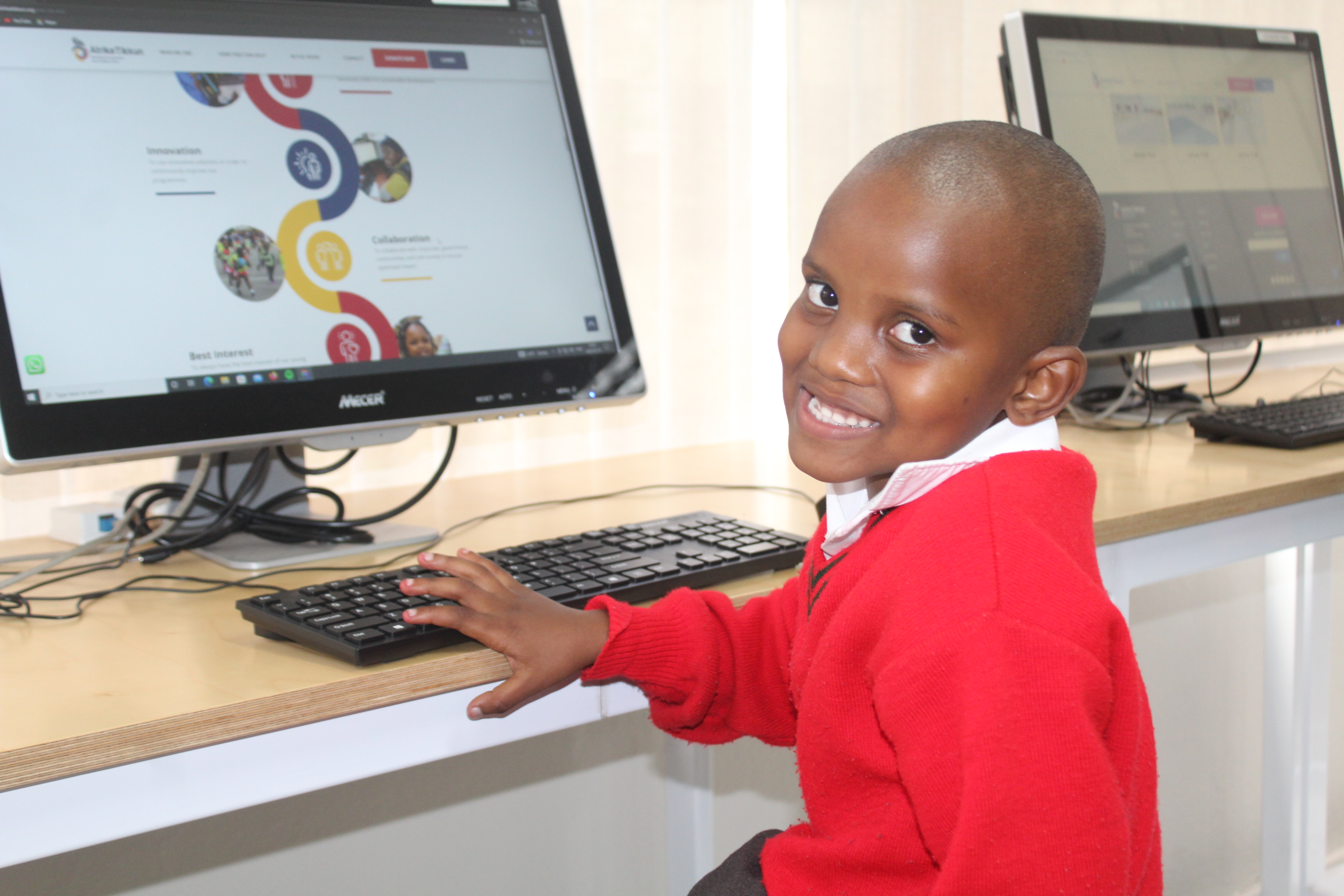
What Does Digitisation Mean?
Digitisation is the process of converting physical information into digital formats — like scanning a paper document or transferring classroom lessons into an online platform. This differs from digitalisation, which is the broader use of digital technologies to change how organisations operate and deliver services. At its core, digitisation is about accessibility — it lays the foundation for how we store data, and how we teach, hire, and train.
Digital Transformation in Education and Training
For a digital transformation strategy to succeed in education, it must include not only technology, but also inclusion, localisation, and support systems. According to UNESCO, over 1.5 billion students globally were affected by school closures during COVID-19 — an urgent reminder of how fragile access to learning can be.
But with that challenge came an opportunity: digital transformation allowed for remote learning, mobile apps, and online platforms that extended teaching beyond the classroom. Still, access remains unequal — in sub-Saharan Africa, less than 30% of schools have access to electricity or digital infrastructure.
Digital Transformation in the World of Work

Young people who gain future-facing digital skills will be better positioned to enter and shape the economies of tomorrow. According to the World Economic Forum, by 2025, 85 million jobs may be displaced by machines, while 97 million new roles may emerge — meaning reskilling is urgent, especially where youth unemployment is already high.
Opportunities lie in growing sectors like e-commerce and digital business, new jobs in coding, digital marketing, and data analysis, and entrepreneurship powered by digitalisation.
Key challenges include:
- •Skill mismatches
- •Limited access to digital transformation management tools
- •High costs of new tech
Afrika Tikkun's Approach to Digitisation
At Afrika Tikkun, digitisation is a catalyst for inclusion. We believe that access to technology is a right, not a privilege, and we embed digital transformation into every stage of our Cradle to Career 360° model. Our guiding principles:
Equity
Every young person, regardless of background, deserves access to digital tools and skills.
Relevance
Our content is locally grounded and aligned with South Africa's labour market needs.
Support
Technology is combined with mentorship, training, and psychosocial support to ensure success.
What We Do
Provide access
Learners get access to computers, connectivity, and mobile-friendly platforms like the Bamba Learn App.
Skills development
Youth skills development in coding, design, and digital literacy through the Level Up and Head Start Programmes.
Entrepreneurship
Entrepreneurship training focused on digital business and youth start-ups.
Inclusive teaching
Educators are trained in using digital platforms to enhance inclusive teaching practices.
Data analysis
We collect and analyse data to drive smarter, more targeted service delivery.